Generative AI Mastery Quizzes
Introduction
Question 8
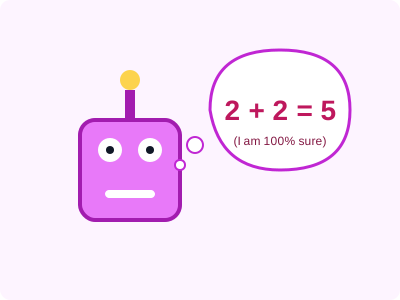
Which AI phenomenon does this image represent?
Question 14
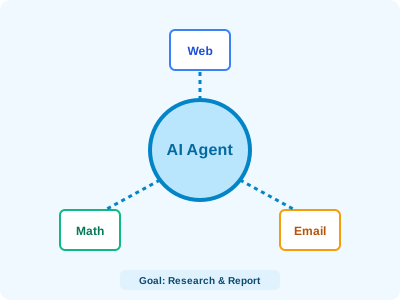
What defines an Autonomous AI Agent?
List of Questions
Question 1: What primary capability distinguishes Generative AI from traditional analytical AI?
Answers: It can synthesize entirely new, contextually relevant outputs from scratch..
Question 2: Which underlying neural network architecture is the primary engine behind modern Large Language Models (LLMs)?
Answers: Transformer Architecture.
Question 3: What model architecture is primarily used for modern AI image and video generation (e.g., Midjourney, DALL-E)?
Answers: Diffusion Models.
Question 4: Select all the highly effective enterprise use cases for AI Writing Assistants:
Answers: Synthesizing 60-minute meeting transcripts into executive summaries., Drafting routine vendor communications., Adapting the tone of an email for different stakeholder audiences..
Question 5: For technical managers, what are the primary benefits of adopting AI Code Generators (like GitHub Copilot)?
Answers: Generating routine boilerplate code., Assisting in writing unit tests., Translating legacy codebases into modern frameworks..
Question 6: How do modern Generative AI chatbots differ from legacy enterprise chatbots?
Answers: They dynamically understand human intent and generate bespoke, contextual responses..
Question 7: What is a major risk when utilizing public Generative AI models (like the free tier of ChatGPT) for corporate tasks?
Answers: Feeding them sensitive corporate data or PII can lead to severe data leaks..
Question 8: Which AI phenomenon does this image represent?
Answers: AI Hallucination.
Question 9: What is the primary cause of Algorithmic Bias in Generative AI?
Answers: Models learn from vast, unfiltered internet datasets that reflect historical biases and skewed societal norms..
Question 10: What does RAG stand for in the context of enterprise AI architecture?
Answers: Retrieval-Augmented Generation.
Question 11: Select all the true statements about RAG vs. Fine-Tuning:
Answers: RAG connects the AI to real-time, up-to-date external databases., Fine-tuning alters the underlying neural weights of the AI model to adopt a specific tone or deep domain expertise..
Question 12: Which of the following is an example of strong 'Prompt Engineering'?
Answers: Act as a Senior PM. Write a 3-paragraph update to stakeholders on Project X. Highlight the 2-week delay, emphasize budget stability, and use a reassuring tone..
Question 13: What is the specific purpose of 'Chain-of-Thought' prompting?
Answers: To force the AI to break down a problem 'step-by-step' before delivering a final answer, improving logical accuracy..
Question 14: What defines an Autonomous AI Agent?
Answers: An AI system given an overarching goal, access to digital tools (APIs, browsers), and the autonomy to plan and execute steps independently..
Question 15: Which of the following are valid metrics for measuring ROI (Return on Investment) of Generative AI in the enterprise?
Answers: Reduction in customer support ticket resolution times., Hours saved per week drafting routine reports., Volume of boilerplate code committed by engineering teams..
Question 16: What is Multimodal AI?
Answers: AI that can natively process and generate multiple forms of data (text, images, audio) simultaneously within the same model..
Question 17: What are the primary benefits of Edge AI (running Generative AI locally on devices)?
Answers: Zero latency, as it doesn't require a round-trip to cloud servers., Maximum data privacy, because sensitive data never leaves the device., Ability to function without an active internet connection..
Question 18: How should professionals navigate the intellectual property (IP) and copyright risks of Generative AI?
Answers: Avoid using AI to generate heavily trademarked characters for commercial advertising., Ensure enterprise AI vendors offer IP indemnification., Establish internal guidelines for AI usage in marketing materials..
Question 19: What distinguishes Open-Source AI models (like Llama 3) from Proprietary models (like GPT-4)?
Answers: Open-source models allow organizations to download, inspect, modify, and host the model entirely on their own private servers..
Question 20: What is the purpose of establishing an AI Center of Excellence (CoE) in a large enterprise?
Answers: To align AI adoption with corporate strategy, define governance, and prevent fragmented 'shadow AI' usage..
Question 21: As AI commoditizes basic content creation and coding, where is human professional value shifting?
Answers: Critical thinking and strategic vision., Emotional intelligence and stakeholder management., Validating and directing AI outputs..
Question 22: How are modern Project Managers effectively utilizing Generative AI?
Answers: Predicting project bottlenecks based on historical data., Generating dynamic Gantt charts from meeting transcripts., Optimizing resource allocation across multiple portfolios..
Question 23: What does the term 'Human-in-the-Loop' (HITL) mean in enterprise AI deployments?
Answers: A mandatory review process where a human expert verifies the AI's output before it is finalized or sent to clients..
Question 24: What is 'Shadow AI' in a corporate environment?
Answers: Employees independently signing up for and using unauthorized AI tools without IT department approval or oversight..
Question 25: Which of these represents the correct roadmap stages for Enterprise AI adoption?
Answers: 1. Experimentation (chatbots), 2. Integration (embedded in software), 3. Transformation (RAG & Autonomous Agents).